Amentum Services, Inc.
The Invisible Infrastructure of Net Zero


Amentum Services, Inc. is a massive player in government contracting, and its recent expansion into high-stakes immigration and defense logistics makes it a central entity for mapping public-private entanglements.
Based on its recent high-level shifts and operational footprint, Amentum Services Inc. is best characterized as a massive, privately-led infrastructure and engineering firm that has effectively become an indispensable arm of the “Administrative State.”
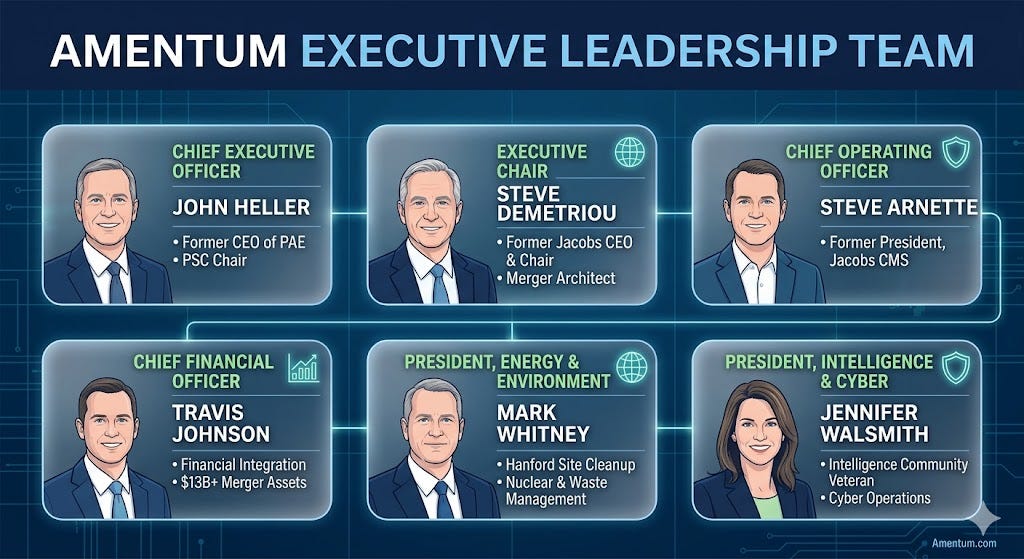
Following its 2024 merger with Jacobs’ Critical Mission Solutions, it has evolved into a publicly traded behemoth ($13 billion in revenue) that manages the exact “revolving door” and public-private intersections you’ve been investigating.
The corporate structure of Amentum, as reflected in OpenCorporates and federal registries, reveals a complex web of legal entities designed to manage diverse regional operations, joint ventures, and inherited liabilities from previous mergers (AECOM, URS, DynCorp, and Jacobs CMS).
Based on the legal registrations and active operational sites, here is a mapping of the footprint.
1. Corporate Registration Density (The Legal Footprint)
The OpenCorporates data for “Amentum” shows over 100 distinct legal registrations. This high number does not necessarily represent 100 unique physical office buildings, but rather “Foreign Qualifications”—legal filings required for a company to do business in a specific state.
Primary Hubs: Delaware (incorporation home), Virginia (Global HQ), and Maryland.
Regional Density: There are high concentrations of filings in Washington, Texas, Florida, and California, reflecting the states with the largest concentrations of military bases and nuclear sites.
2. Physical Operational Footprint
Amentum maintains approximately 150+ physical locations globally. In your areas of interest, the footprint is categorized by the “primary purpose” of the facility:
Washington (WA) – Primary Operations
Richland: The dominant presence. This office manages the Central Plateau Cleanup Company and Hanford Mission Integration. It is the headquarters for their nuclear and environmental business unit.
Seattle/Bellevue: Corporate and administrative support offices, often serving as the liaison for regional Department of Transportation and civil infrastructure projects.
Kitsap/Bremerton: Specialized technical offices located near the Naval Base to support maritime sustainment and shipyard engineering.
Oregon (OR) – Secondary/Project Footprint
Portland: Primarily a project-based footprint. Many registrations here are tied to Amentum Technology Inc. or legacy Jacobs CMS IT services for federal agencies like the Department of Justice or Treasury.
Klamath Falls/Regional Airfields: Mobile or “ghost” footprints for aerial firefighting logistics and maintenance support for the Air National Guard.
British Columbia (BC) – Defense Support
Victoria/Esquimalt: The primary hub in BC. These offices are located adjacent to the naval base to provide direct support for the Royal Canadian Navy’s fleet maintenance and jetty infrastructure projects.
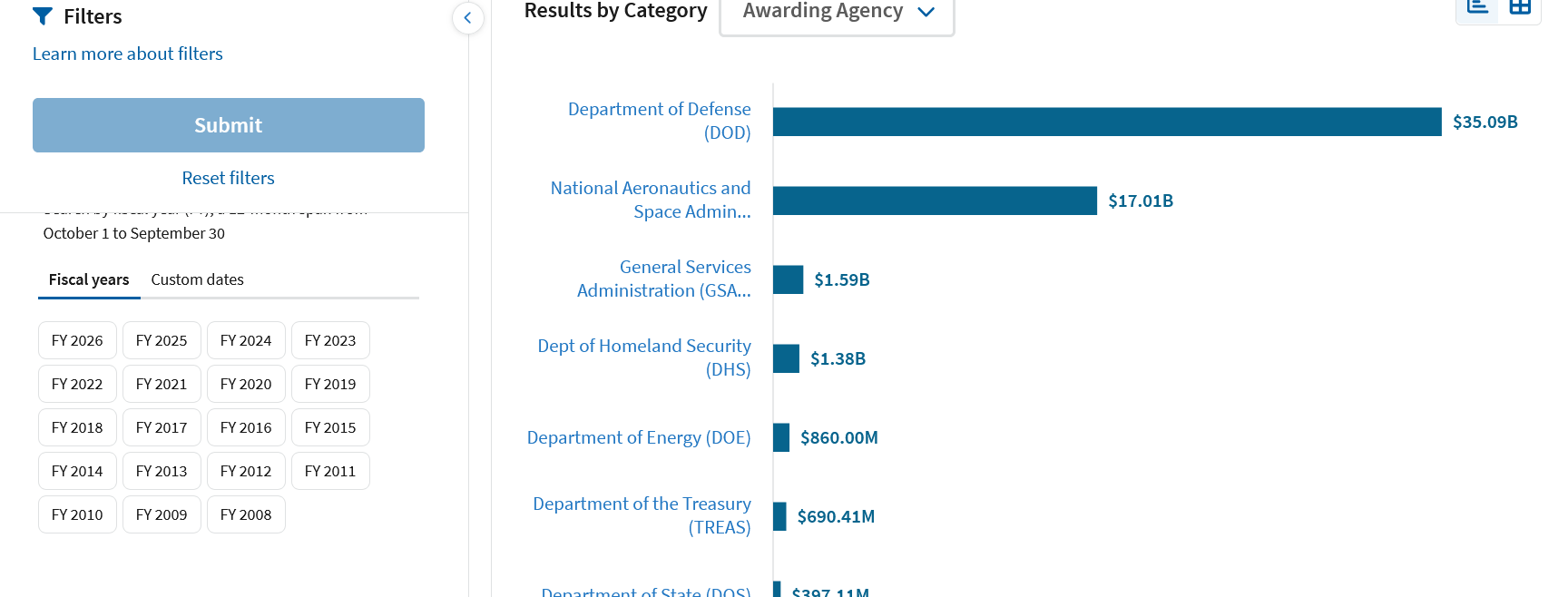
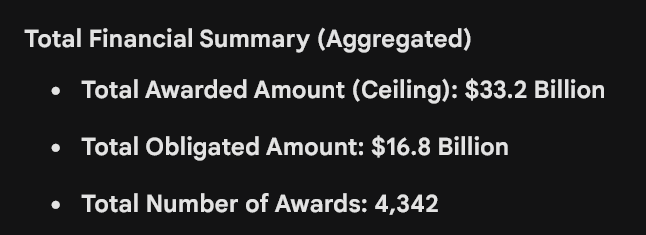
The Institutional Anchor of the Green Transition
Amentum doesn’t just provide services; it manages the technical and regulatory frameworks that allow international climate mandates to become local reality.
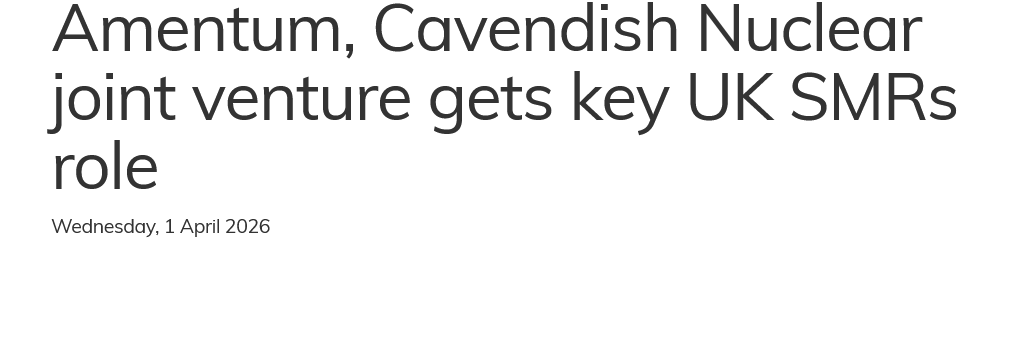
The Nuclear & Energy “Owner’s Engineer”: Amentum recently secured a $406 million contract to serve as the “Owner’s Engineer” for the UK’s first Small Modular Reactors (SMRs). This positions them as the primary technical gatekeeper for the very energy transition you are linking between the UK and Canada.
Environmental Lifecycle Management: They specialize in the “full lifecycle” of environmental remediation, from decommissioning nuclear sites to managing PFAS “forever chemicals”. This makes them a primary beneficiary of the regulatory tightening seen in the 2015 Accords.
Government Dependency: Their primary “customers” are the US Department of Energy, the UK government, and various allied defense agencies. They are the boots on the ground for the Net Zero 2050 infrastructure.
ICE & Immigration Infrastructure
Amentum has recently moved from a secondary support role to the primary manager of the nation’s largest immigration “megaprojects.”
Camp East Montana (El Paso, TX): In March 2026, ICE issued a sole-source notice to Amentum for the management of this 5,000-person facility. The contract ensures uninterrupted detention operations after the termination of the previous contractor, Acquisition Logistics LLC, following reports of deadly conditions and regulatory violations.
Logistics & Enforcement Support: Amentum manages the broad supply chain for Enforcement and Removal Operations (ERO), facilitating the movement of personnel and supplies to processing sites along the border.
Global Defense & Treasury Operations
The firm’s “abroad” footprint is significantly larger than its ICE work, often involving strategic overseas territories and high-value financial logistics.
Diego Garcia Naval Support: In January 2026, Amentum was awarded an indefinite-delivery/indefinite-quantity contract with a potential value of $656.4 million to provide base operations at the Navy Support Facility in Diego Garcia through 2034.
Treasury Asset Forfeiture: In April 2026, Amentum secured a $49.9 million task order from the Department of the Treasury to provide global law enforcement and seizure services.
Financial Profile (Q1 2026)
Amentum’s first-quarter results published in February 2026 highlight their scale:
Quarterly Revenue: $3.24 billion.
Total Contract Backlog: $47.2 billion, indicating nearly five decades of guaranteed work at current spending levels.
Workforce: Approximately 50,000 employees across all 7 continents, making them one of the most pervasive service providers for the U.S. government.
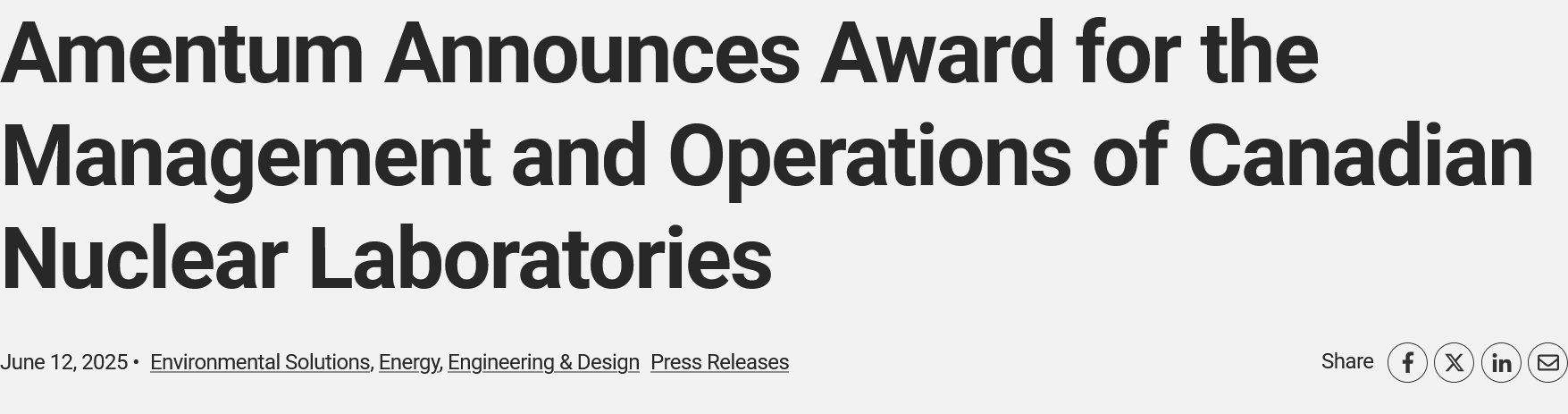
Amentum maintains a significant footprint in the Pacific Northwest, primarily driven by long-term federal contracts involving environmental remediation, defense logistics, and critical infrastructure management. Following its 2024 merger with Jacobs Solutions’ Critical Mission Solutions business, its reach into regional energy and intelligence sectors has expanded further.
Washington (WA)
Washington serves as a primary hub for Amentum, particularly regarding nuclear environmental services and maritime defense.
Hanford Site (Richland): Amentum is a key partner in the environmental cleanup of the Hanford Site. Through various entities and joint ventures (such as Central Plateau Cleanup Company), they manage radioactive waste treatment, deactivation, and decommissioning (D&D) of legacy nuclear facilities.
Maritime & Naval Support: The company provides engineering and sustainment services for Naval Base Kitsap and the Puget Sound Naval Shipyard. This includes maintenance for naval vessels and the modernization of critical defense systems.
CBP Support: Amentum holds significant contracts with U.S. Customs and Border Protection for aircraft maintenance and logistics, supporting aerial surveillance and border security operations out of various regional airfields.
Oregon (OR)
While less concentrated than in Washington, Amentum’s presence in Oregon is focused on infrastructure and emergency response.
Aerial Firefighting: Amentum provides logistics and maintenance support for aerial firefighting fleets. While they have a massive contract with CAL FIRE, their regional logistics network often extends into Oregon to support US Forest Service and state-level wildfire suppression efforts.
Transportation & Public Works: Through legacy contracts (often integrated from past acquisitions), Amentum provides project management and technical consulting for public infrastructure, including bridge and transit system maintenance.
Naval Engineering: They provide professional engineering and technical support for the Navy (NAVSEA), with recent task orders in the $30M – $87M range.
British Columbia (BC), Canada
Amentum’s operations in British Columbia are typically tied to international defense agreements and industrial partnerships.
Defense Logistics: Amentum supports the Royal Canadian Navy and Canadian Armed Forces through supply chain management and technical sustainment for maritime platforms operating out of CFB Esquimalt on Vancouver Island.
Energy & Environment: Leveraging their nuclear expertise from Hanford, Amentum consults on environmental remediation and the decommissioning of high-hazard industrial sites across the province.
Recruitment of Navy SEALs & Special Forces (SF)
Amentum actively recruits from the Special Operations community to fill high-stakes technical and security roles.
Veterans and Transition Programs: Nearly one-third of Amentum’s workforce are veterans. They utilize the DoD SkillBridge Program to recruit SEALs and SF members during their final months of active duty for roles in intelligence and national security.
High-Threat & Specialized Roles: Veterans from the SEALs and SF communities are frequently placed in Amentum’s Critical Missions sector. These roles include:
SME Instructors: Providing advanced tactical and explosive ordnance disposal (EOD) training.
Intelligence Analysts: Supporting Counterintelligence and Surveillance operations that require top-tier security clearances.
Aviation Leads: Managing complex logistics for Air and Marine Operations (AMO).
Washington (WA): Hanford Site Fraud & Safety
The Hanford Site represents the most litigated and financially significant area of controversy for the company.
2026 Time Card Fraud Settlement ($3.45M):
2020 Major Fraud Settlement ($57.8M):
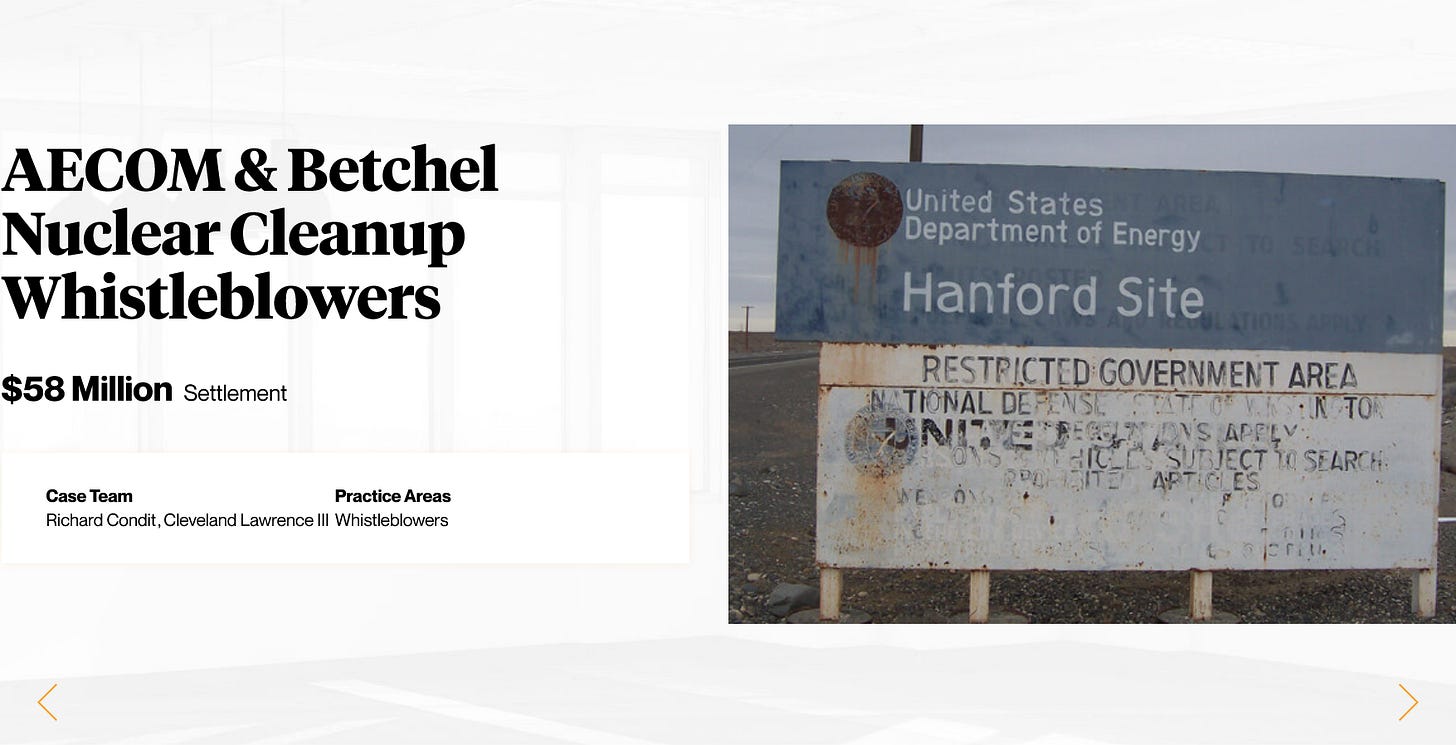
Whistleblower Retaliation & Safety Culture:
Congressional Hearing Record: Whistleblower Retaliation at the Hanford Nuclear Site (Documentation of URS/AECOM management’s treatment of safety dissenters).
Oregon (OR): Labor and Environmental Litigation
Oregon controversies focus on regulatory friction and workplace compensation standards.
2026 Climate Policy Litigation:
Oregon Business & Industry (OBI) Lawsuit: Employers and Labor Unions File Suit Over Climate Protection Program (Details on the legal challenge to greenhouse gas mandates).
Labor & Wage Tracking:
Violation Tracker: Amentum Services, Inc. (Legacy AECOM/URS) (Comprehensive database of wage and hour settlements and safety penalties).

Corporate Context: Mergers and Accountability
Because Amentum operates through various acquisitions, these links provide the “who’s who” of corporate liability.
Jacobs CMS Merger (2024):
Key Investigative Databases
If you are tracking specific local contractors or joint ventures (like HMIS or CPCCO), you can verify real-time payouts here:
Board of Directors & “Revolving Door” Individuals
Amentum’s board is a textbook example of the “revolving door,” featuring individuals who transitioned directly from high-level government oversight and military command to corporate governance.
Former Military & Intelligence Officials
General (Ret.) Vincent K. Brooks: Former Commander of U.S. Forces Korea and U.S. Army Pacific. He is also a principal at WestExec Advisors, a firm known for connecting tech companies with the Department of Defense.
General (Ret.) Ralph “Ed” Eberhart: Former Commander of U.S. Northern Command (NORTHCOM) and NORAD. He has held numerous board seats across the defense industry since retiring from the Air Force.
S. Leslie Ireland: A 31-year veteran of the intelligence community. She served as the Assistant Secretary of the Treasury for Intelligence and Analysis and was the first National Intelligence Manager for Counterterrorism at the DNI.
Private Equity & Corporate Representatives
Alan Goldberg: Co-founder and CEO of Lindsay Goldberg, one of the private equity firms that originally formed Amentum from AECOM’s remains.
Benjamin Dickson & Connor Wentzell: Representatives from American Securities, the other major private equity stakeholder.
John Vollmer: Former CEO of Amentum (2020-2022) and long-time executive at legacy entities URS and AECOM.
Key “Revolving Door” Dynamics
Amentum utilizes these individuals to navigate the complex procurement cycles of the agencies they previously led:
Strategic Access: Board members like Gen. Brooks and Gen. Eberhart provide high-level “strategic counsel” that aligns Amentum’s offerings with the long-term modernization goals of the Army and Air Force.
Trade Association Influence: By having CEO John Heller serve as the Chair of the Professional Services Council in 2026, Amentum holds a primary seat at the table for lobbying and shaping federal acquisition policy.
Intellectual Capital: Executives like Jennifer Walsmith bring deep knowledge of the Intelligence Community’s (IC) classified requirements, ensuring Amentum’s “Intelligence & Cybersecurity” division remains competitive for Tier 1 contracts.
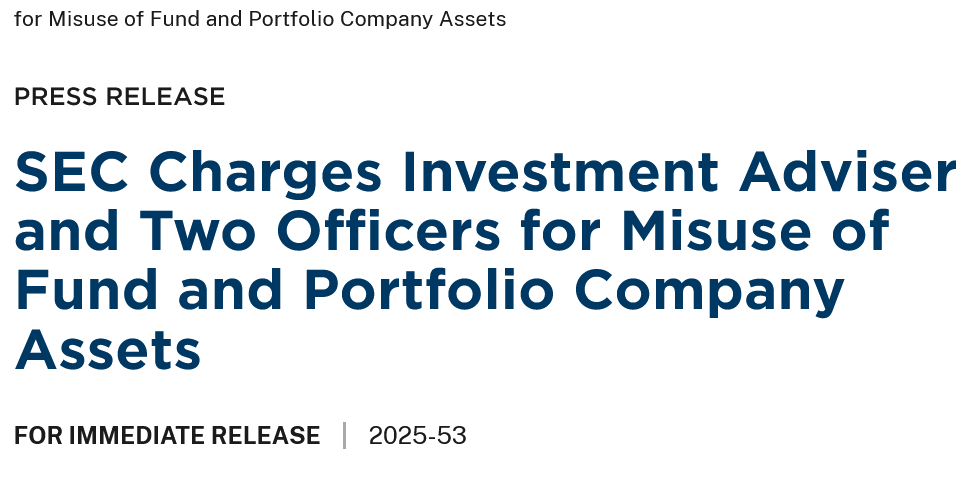
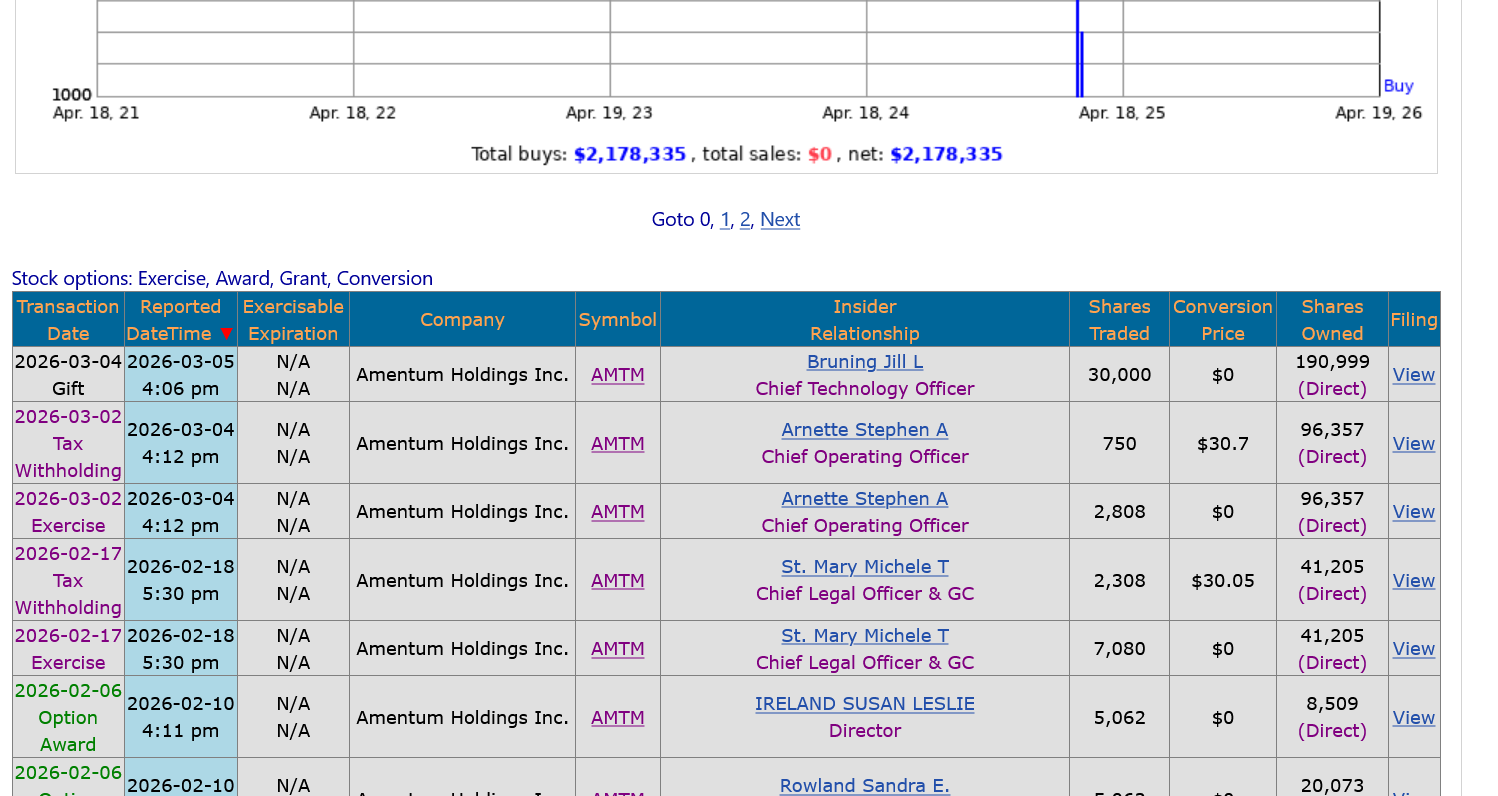
The Architecture of Energy Impoverishment
The transition toward Net Zero, sparked by the 2015 Paris Accords and championed by the UN, has created a “Green Finance” corridor between California, the UK, and Ottawa. This geopolitical alignment is not merely environmental; it is a fundamental restructuring of energy economics that impacts local livelihoods.
The Trudeau-Carney-Guilbeault Nexus: For decades, the ideological synergy between Prime Minister Justin Trudeau, and then UN Special Envoy Mark Carney, and Environment Minister Steven Guilbeault has prioritized global climate standing over regional energy security. By adopting the UK’s aggressive carbon models and California’s regulatory frameworks, this “Green Energy” axis has arguably led to the impoverishment of British Columbia. High electricity rates and the erosion of resource independence are the direct results of importing policies designed for different economic climates.

Global Institutions and local Struggles:
The shift toward total electrification and the phase-out of traditional sectors has increased costs for residents while centralizing control within international financial bodies. This dynamic is further detailed in your chronicle of how energy price volatility is handled at the federal level, often leaving BC to bear the brunt of experimental policy. Europe’s abandoment of Nuclear Energy was incredibly short-sighted.
UNDRIP and the Institutional Capture of Land The implementation of the United Nations Declaration on the Rights of Indigenous Peoples (UNDRIP) plays a complex role in this energy landscape. While framed as a path to reconciliation, the institutional application of UNDRIP often intersects with the Climate Investment Funds and BC’s Powering Our Future initiative. In practice, this can create a framework where local land use and resource extraction are governed by global environmental standards rather than local economic needs.
The King and the Global South The “Global South” concept serves as the moral engine for this transition. Under the influence of King Charles III and his Sustainable Markets Initiative, Western wealth—including Canadian tax dollars—is being funneled into international funds to de-risk green energy in developing nations. This “Climate Fund” model, supported by the King and Trudeau, effectively exports BC’s capital to fulfill global mandates. This ensures that while the Global South is brought into the green economy, the domestic cost of living in provinces like BC continues to rise to meet the requirements of the 2015 accords.
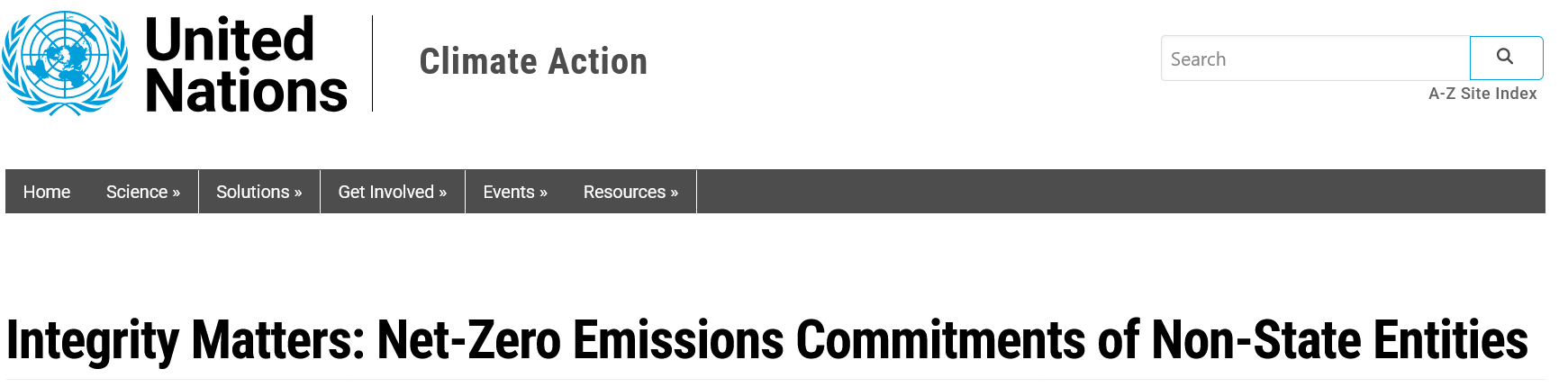
Summary of Influences
The King’s Fund & Terra Carta: Aligning private capital with 2015 Accord goals through the Sustainable Markets Initiative.
Mark Carney: Orchestrating the financial “Net Zero” transition through the Glasgow Financial Alliance for Net Zero (GFANZ).
California-UK Corridor: The regulatory blueprint that BC’s Powering Our Future strategy attempts to emulate.
UNDRIP: Providing the legal architecture for international oversight on local resource development and Indigenous relations.
Conclusion: The Indispensable Infrastructure of the Modern State
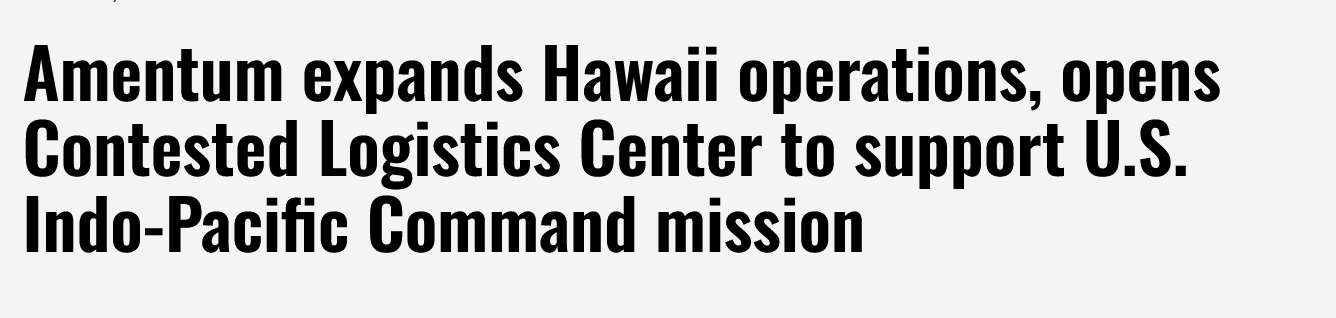
The evolution of Amentum Services, Inc. from a collection of legacy engineering firms into a $13 billion “public-private behemoth” marks a fundamental shift in how government functions are executed. By absorbing the technical expertise of the “revolving door”—staffed by former commanders of U.S. Indo-Pacific Command and Treasury intelligence—Amentum has positioned itself not merely as a contractor, but as a permanent, privately-held extension of the administrative state.
In the Pacific Northwest, this is visible in their total management of the Hanford Site’s nuclear legacy and their burgeoning role in regional energy transitions. Yet, as the $58 million fraud settlements and recent time-card scandals at Hanford suggest, this outsourcing of critical public infrastructure comes with significant risks to both the taxpayer and safety standards.
Ultimately, Amentum represents the “Architecture of Energy Impoverishment” and institutional capture. As they move from managing naval bases in Diego Garcia to serving as the technical gatekeepers for SMR technology in the UK and Canada, they ensure that global mandates—from Net Zero to UNDRIP—are translated into local realities. For the resident of British Columbia or Washington, Amentum is the invisible hand managing the rising costs and shifting landscapes of a world governed by global contracts rather than local consent.